Mapping Bonus Playthrough Conditions to Live Dealer Monitoring Frameworks in Casino Operations
Amir Brooks · Oct 26, 2026
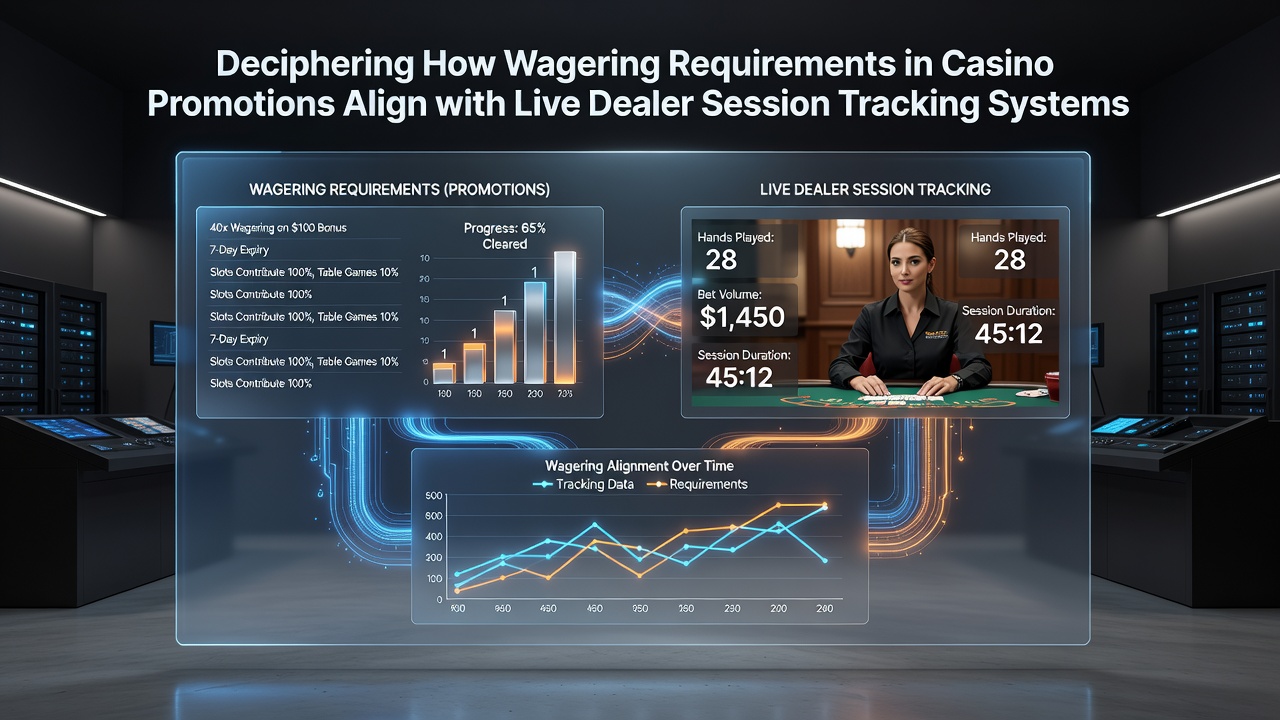
Mapping Bonus Playthrough Conditions to Live Dealer Monitoring Frameworks in Casino Operations
Operators track wagering requirements through integrated platforms that record every bet placed during live dealer sessions, ensuring players meet playthrough thresholds before withdrawing bonus funds. These systems log data points including bet amounts, game types, and session durations, then cross-reference them against predefined promotion rules that specify eligible contributions from blackjack, roulette, or baccarat tables. Data shows that real-time synchronization prevents discrepancies where a player might complete a session yet fail to receive credit due to timing mismatches between the bonus engine and the live game server.
Core Components of Wagering Requirements
Wagering requirements typically stipulate that players must bet a multiple of the bonus amount, such as 30x or 40x, across approved games, while live dealer sessions contribute at reduced rates compared to slots because of their lower house edge profiles. According to reports from the Nevada Gaming Control Board, contribution percentages vary by title, with live roulette often counting at 10 percent and blackjack at 20 percent, which forces the tracking software to apply weighted calculations automatically. Researchers at academic institutions have examined these multipliers and found that precise alignment reduces player disputes by matching session logs directly to the bonus ledger without manual intervention.
Mechanics of Live Dealer Session Tracking
Live dealer platforms employ optical character recognition cameras alongside API connections to capture card shuffles, wheel spins, and player decisions in real time, feeding this information into central databases that timestamp each action. Session tracking systems then categorize the activity by player ID, table limit, and total turnover, allowing operators to verify that the accumulated wagers satisfy the promotion criteria. In October 2026, several platforms introduced enhanced API protocols that pull live feeds every three seconds, cutting the latency between a completed hand and its appearance in the wagering progress meter. Those who've studied these upgrades note that the shorter intervals improve accuracy when players switch between tables mid-session or when dealers rotate during extended play periods.
Alignment Processes Between the Two Systems
Alignment occurs when the bonus management module queries the live dealer database at fixed intervals and applies filters that exclude non-contributing bets, such as those made on side wagers not listed in the promotion terms. The process uses unique session identifiers to match records, so a single roulette spin appears simultaneously in both the game history and the bonus tracker. What's interesting is how operators handle partial contributions: if a game counts at 50 percent, the system divides the bet amount before adding it to the playthrough total, then updates the remaining requirement displayed to the player. Industry reports from the European Gaming and Betting Association indicate that this automated division has lowered error rates in multi-table sessions where players participate in both qualifying and non-qualifying variants simultaneously.
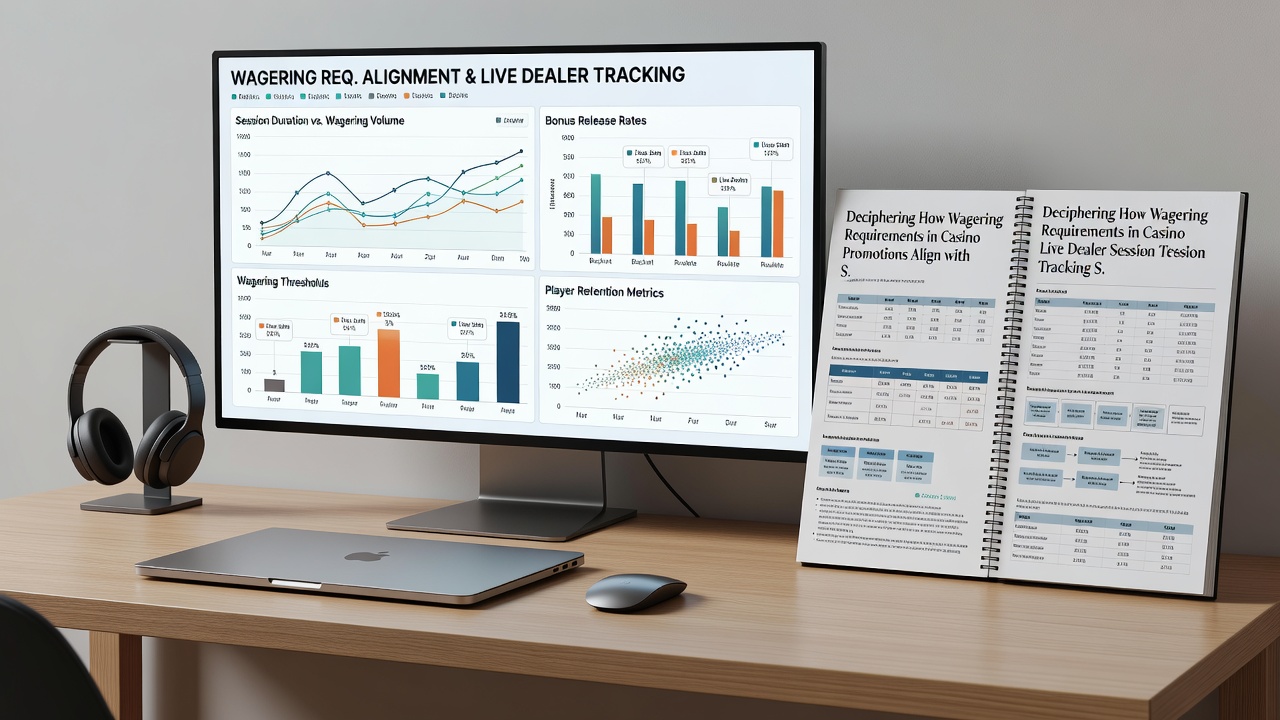
Take one operator who implemented a unified dashboard in 2025; staff observed that players received instant notifications when a live baccarat session advanced their bonus progress, because the tracking layer reconciled data within seconds rather than waiting for end-of-day batch processing. This setup relies on secure data pipelines that encrypt session details during transmission, maintaining compliance with privacy standards while still permitting the necessary cross-system queries.
Technical Challenges and Solutions
Network latency and dealer table variations present ongoing hurdles, since a delayed feed can cause a completed session to register after the bonus has already expired. Solutions include redundant logging servers that store raw game data locally before syncing to the central system, ensuring no transactions are lost during brief outages. Observers note that casinos using cloud-based reconciliation tools achieve higher uptime, particularly when handling peak evening traffic across multiple live dealer studios. Data from the Canadian Gaming Association shows that operators adopting these redundancies recorded a 17 percent drop in reconciliation tickets related to live game bonuses during the first half of 2026.
Regulatory Context and Reporting Standards
Regulators in multiple jurisdictions require operators to maintain auditable logs that demonstrate how wagering requirements were calculated and verified against live session records. These audits examine whether the tracking software correctly applied game contribution percentages and whether session timestamps align with bonus activation windows. In regions outside the UK, such as certain Australian states and parts of the United States, licensing bodies conduct periodic reviews that include sample player journeys through live dealer promotions. The alignment mechanisms must therefore produce exportable reports that list every bet, its contribution factor, and the running total, all while preserving player anonymity in the audit files.
Conclusion
Integration between wagering requirements and live dealer session tracking continues to evolve through API refinements and faster data reconciliation methods. Players benefit from transparent progress indicators that reflect actual bets placed at live tables, while operators gain reduced administrative overhead from automated matching processes. As platforms introduce further updates in late 2026, the focus remains on maintaining accurate, secure data flows that satisfy both promotional rules and regulatory expectations across different markets.