Charting Data Flows in UK Gaming Platforms Where Slot Mechanics Meet Self-Exclusion Protocols
Clara Griffin · Aug 18, 2026
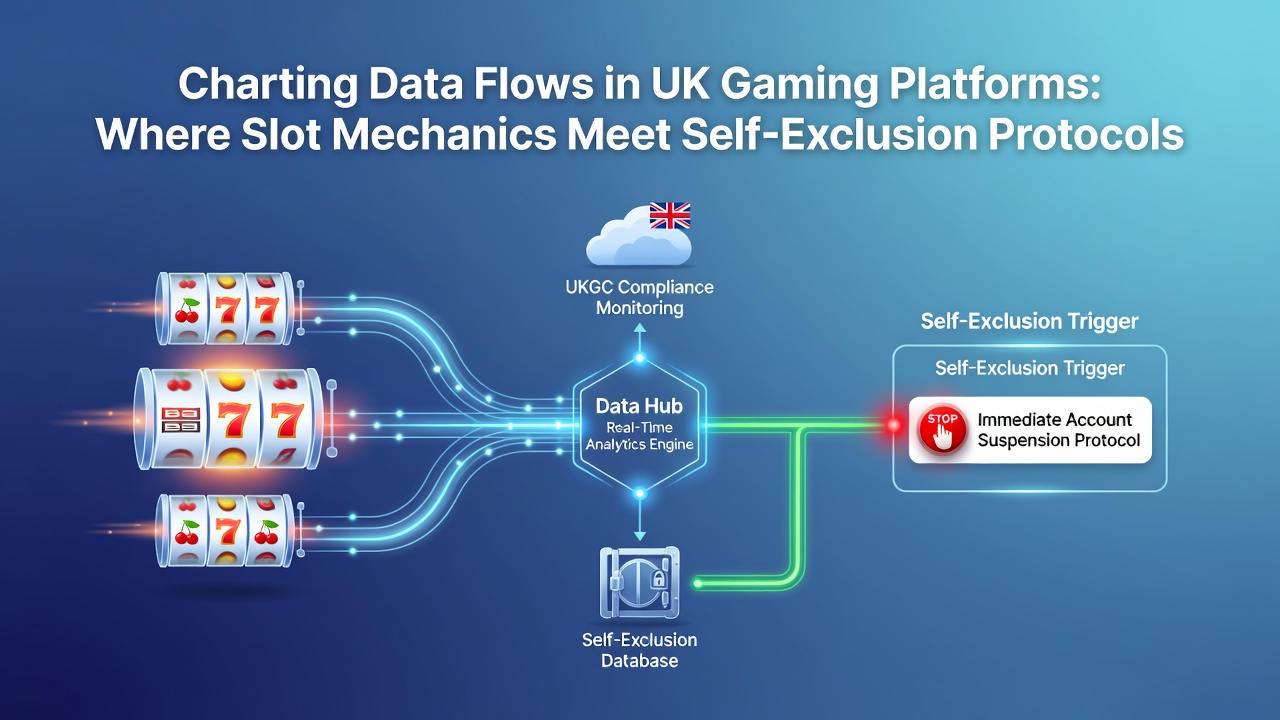
Charting Data Flows in UK Gaming Platforms Where Slot Mechanics Meet Self-Exclusion Protocols
Slot mechanics operate through random number generators and session tracking modules that record every spin, stake amount, and outcome in structured data packets, while self-exclusion protocols maintain centralized registries that platforms must query before allowing account access or game initiation. These two systems intersect at multiple points where player identifiers, activity timestamps, and restriction flags travel across secure APIs and internal ledgers. Researchers have mapped these pathways to show how a single self-exclusion entry can block real-time play requests within milliseconds of detection.
Core Components of Slot Data Capture
Each spin generates metadata that includes player ID, game ID, stake value, return-to-player calculation, and session duration, all packaged for immediate transmission to backend servers. Slot platforms aggregate these records into continuous streams that feed both operational analytics and compliance modules. When a player has an active self-exclusion flag, the same data stream routes through a verification layer that cross-checks against exclusion lists before confirming the bet.
Transmission occurs via encrypted channels that separate gameplay telemetry from personal identifiers to satisfy data minimization rules. Observers note that UK operators typically maintain distinct databases for game logic and exclusion status, yet both must synchronize at the point of access control. This separation reduces single-point failures while still enabling rapid lookup during high-volume play periods.
Self-Exclusion Registry Structures and Data Exchange
Self-exclusion records contain minimum mandatory fields such as hashed player identifiers, exclusion start and end dates, and geographic scope indicators. Platforms retrieve these records through batch updates scheduled several times daily alongside live API calls triggered at login or deposit attempts. According to reports from the Responsible Gambling Council, integration accuracy depends on consistent identifier matching across operator systems and registry providers.
Integration Architecture and Real-Time Checks
Data flows follow a defined sequence: a player initiates a slot session, the platform sends an anonymized query to the exclusion service, the service returns a binary flag, and gameplay either proceeds or terminates with a notification. Complex multi-clause routing occurs when partial matches appear, such as when a player uses multiple accounts or when exclusion periods overlap with cooling-off intervals. In these cases, additional verification steps pull supplementary records before final authorization.
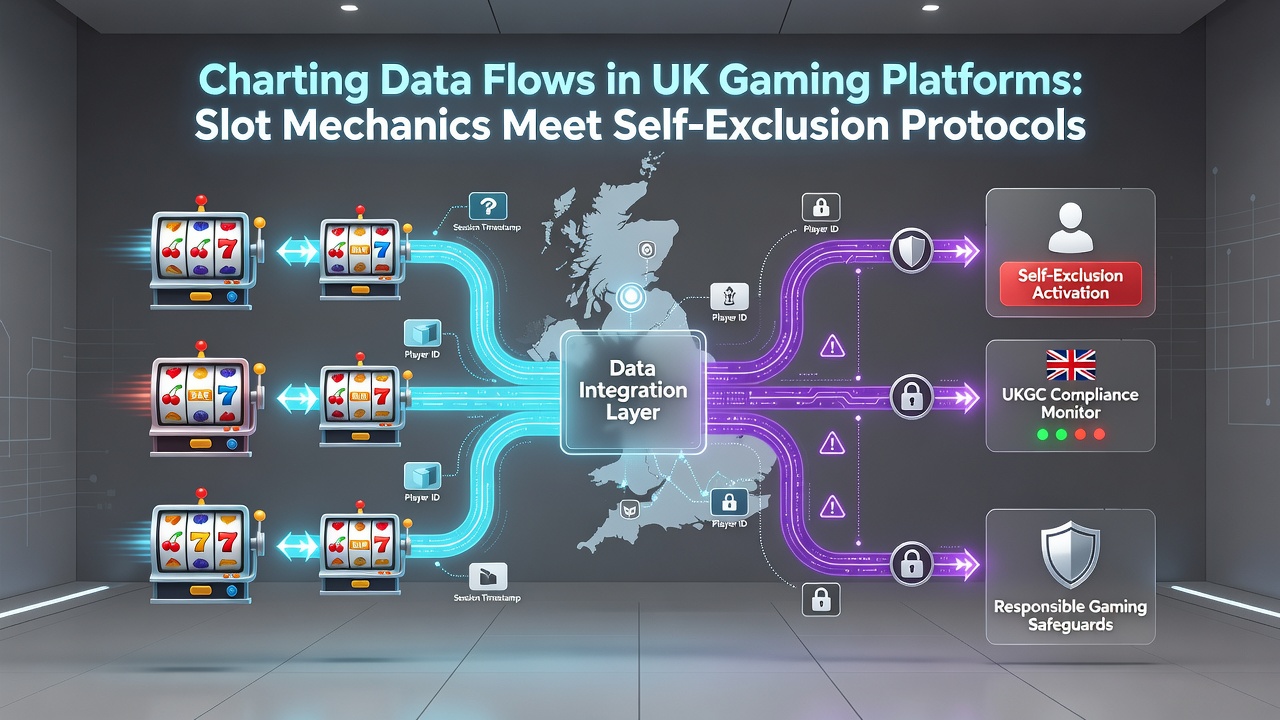
Slot engines embed lightweight compliance hooks that pause the random number generator output until clearance arrives from the exclusion layer. This pause lasts only a few hundred milliseconds yet ensures no game state advances for restricted accounts. Industry implementations commonly use event-driven architectures where exclusion status changes publish instantly to subscribed operator endpoints, eliminating reliance on nightly file transfers alone.
August 2026 Protocol Updates Across Platforms
Scheduled enhancements in August 2026 introduce standardized JSON schemas for exclusion data packets that all major UK platforms must adopt. These schemas add fields for cross-border restriction portability and refined time-stamp granularity measured to the second. Developers have begun testing these formats in sandbox environments to confirm that slot session logs align precisely with new exclusion timestamps without introducing latency spikes during peak hours.
Testing reports indicate that the updated protocols reduce false-negative rates in exclusion checks by requiring dual verification of both player ID and device fingerprint. Operators receive advance mapping tools that translate legacy data fields into the new structure, allowing parallel running of old and new systems until full cutover. The transition timeline aligns with broader European data portability initiatives that influence UK operators through contractual obligations with international game suppliers.
Security and Audit Trails in Combined Systems
Every data exchange between slot mechanics and self-exclusion services leaves immutable logs that record query time, response code, and decision outcome. Audit teams examine these logs to verify that no restricted session ever reached the betting stage. Encryption standards require AES-256 for transit and at-rest storage, while access controls limit visibility to compliance personnel with documented need.
Third-party penetration testing occurs quarterly, focusing on API endpoints that handle exclusion lookups. Findings from these exercises feed into continuous improvement cycles that adjust timeout thresholds and retry logic for network interruptions. Such measures keep the combined data flow resilient even when individual components experience temporary outages.
Conclusion
The mapping of data flows between slot mechanics and self-exclusion protocols reveals tightly coupled systems that rely on precise identifier matching, rapid API responses, and scheduled protocol upgrades. August 2026 marks the next formal synchronization point for UK platforms as new schemas take effect. Observers tracking these developments see continued emphasis on auditability and minimal latency as core requirements for compliant operation.